In today’s fast-paced world, health often takes a back seat as we juggle work, family, and personal responsibilities. However, maintaining a healthy lifestyle is no longer an option—it is a necessity. A balanced life with proper nutrition, exercise, sleep, and stress management can help prevent chronic illnesses, improve energy levels, and boost overall happiness. This article will guide you through 10 proven health tips that are easy to follow and highly effective in achieving long-term well-being.
1. Prioritize Balanced Nutrition
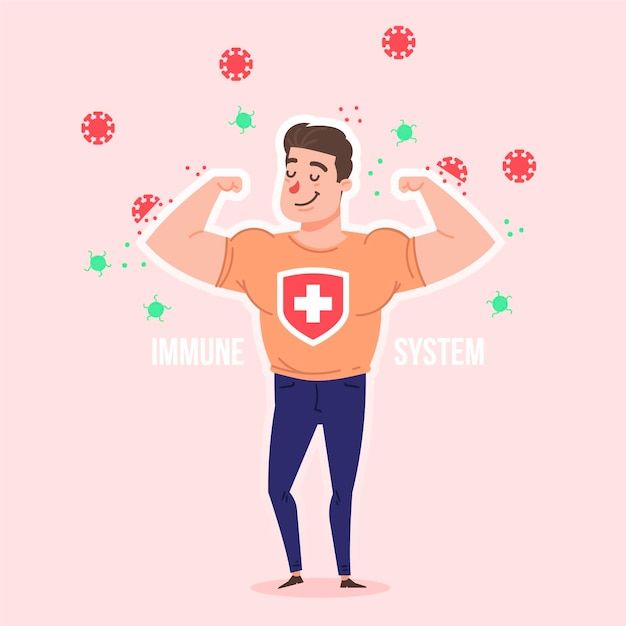
The foundation of good health begins with what you eat. A diet rich in whole grains, lean proteins, fresh fruits, and vegetables provides your body with the essential vitamins and minerals it needs. Avoid processed foods and refined sugars, as they contribute to obesity, diabetes, and heart disease. Instead, opt for natural, nutrient-dense meals that fuel your body with energy and keep your immune system strong.
2. Stay Hydrated
Water is often overlooked, yet it is crucial for every function of your body. From regulating body temperature to improving digestion, hydration plays a key role in health. Experts recommend drinking at least 8–10 glasses of water daily. If plain water feels boring, you can include fresh fruit-infused water, herbal teas, or coconut water for variety. Staying hydrated also enhances skin health and mental clarity.
3. Exercise Regularly
A healthy lifestyle is incomplete without physical activity. Whether it’s walking, jogging, yoga, or strength training, regular exercise improves cardiovascular health, builds muscle strength, and reduces the risk of lifestyle diseases. Aim for at least 30 minutes of moderate exercise five days a week. Even simple habits like taking the stairs or walking after meals can make a big difference over time.
4. Get Sufficient Sleep
Inadequate sleep weakens the immune system, increases stress, and can lead to serious health problems like obesity and hypertension. Adults should aim for 7–9 hours of quality sleep every night. Create a bedtime routine by switching off digital devices an hour before sleeping, using calming techniques like meditation, and keeping your bedroom dark and cool. Quality rest helps your body repair itself and keeps your mind sharp.
5. Manage Stress Effectively
Stress has become a silent killer in modern society. High stress levels are linked to heart disease, anxiety, depression, and even digestive problems. Practicing mindfulness, meditation, or deep-breathing exercises can reduce stress significantly. Engaging in hobbies, listening to music, or spending time with loved ones also helps improve mental well-being. Remember, a calm mind is just as important as a healthy body.
6. Maintain a Healthy Weight
Obesity increases the risk of several diseases including diabetes, hypertension, and joint problems. Focus on portion control, balanced meals, and regular exercise to maintain a healthy weight. Avoid fad diets that promise quick results, and instead adopt long-term, sustainable eating habits. Monitoring your weight regularly can keep you on track toward better health.
7. Limit Screen Time
In the digital age, excessive screen time has become a major concern for both adults and children. Prolonged exposure to screens can lead to eye strain, poor posture, and disturbed sleep patterns. Set daily limits, take short breaks while working on a computer, and use blue-light filters to protect your eyes. Replacing screen time with outdoor activities also helps improve both physical and mental health.
8. Avoid Harmful Habits
Smoking, excessive alcohol consumption, and drug use are among the most harmful habits that destroy health. These substances increase the risk of cancer, liver disease, and lung problems. Making small lifestyle changes such as cutting down on alcohol and quitting smoking can dramatically improve life expectancy and overall wellness.
9. Schedule Regular Health Checkups
Preventive care is better than cure. Regular checkups help in the early detection of diseases and keep you informed about your health status. Annual health screenings, dental checkups, and eye exams are important for long-term well-being. By staying proactive, you can manage potential risks before they turn into serious health concerns.
10. Build Positive Relationships
Human connection plays an underrated role in health. Surrounding yourself with supportive, positive, and encouraging people reduces stress and promotes emotional balance. Studies show that people with strong social relationships live longer and happier lives. Building meaningful connections with family and friends can greatly contribute to overall wellness.
Conclusion
A healthy lifestyle is not about short-term diets or temporary routines—it is about making sustainable choices every day. By focusing on nutrition, hydration, exercise, sleep, stress management, and positive relationships, you can significantly improve your quality of life. Remember, health is your greatest investment, and taking small steps today can ensure a happier, stronger, and more fulfilling tomorrow.