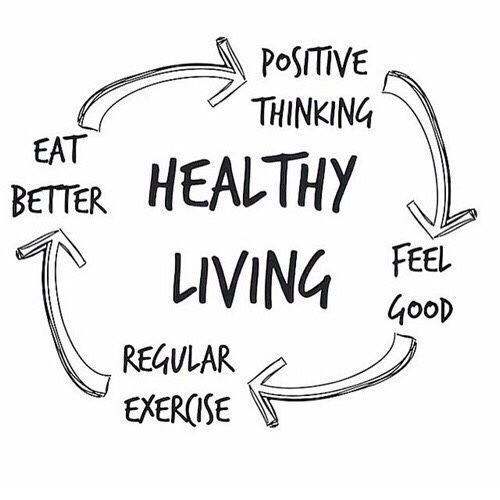
Good health begins with the food you eat. A nutritious diet not only fuels your body but also prevents diseases, boosts energy, and supports overall well-being. Unfortunately, many people struggle with poor eating habits due to busy schedules and fast-food culture. The key to a healthy lifestyle is not following strict diets but adopting balanced, sustainable eating habits. This article explores practical tips to help you build a nutritious diet for everyday life.
1. Start Your Day with a Healthy Breakfast
Breakfast sets the tone for your entire day. Skipping it often leads to overeating later and reduced energy levels. A balanced breakfast with whole grains, protein, and fruits improves concentration, metabolism, and stamina. Options like oatmeal with nuts, whole-grain toast with eggs, or smoothies with spinach and berries make excellent choices.
2. Choose Whole Foods Over Processed Foods
Processed foods are often loaded with added sugars, unhealthy fats, and preservatives. Instead, focus on whole, unprocessed foods like fresh vegetables, fruits, whole grains, nuts, and lean meats. Whole foods provide fiber, vitamins, and minerals that keep you full longer and support digestion.
3. Practice Portion Control
Even healthy foods can lead to weight gain if consumed in large quantities. Learning portion control helps maintain a healthy weight and prevents overeating. Use smaller plates, measure serving sizes, and eat slowly to give your body time to signal when it’s full.
4. Add More Fruits and Vegetables
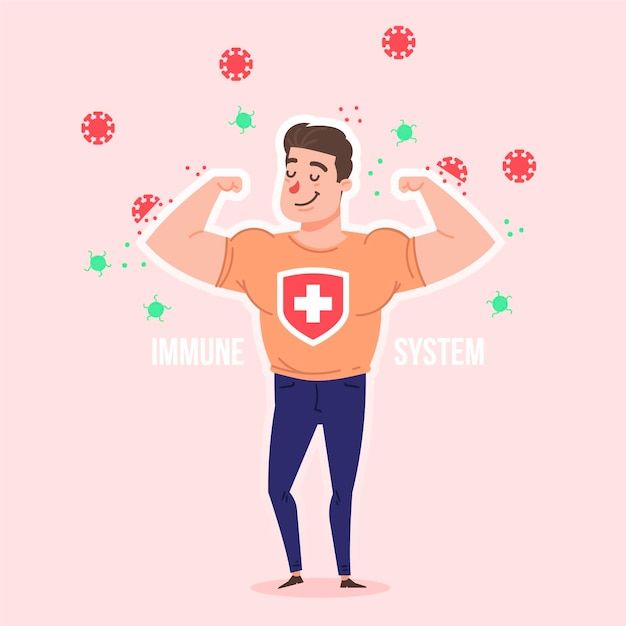
Nutrition experts recommend at least 5 servings of fruits and vegetables daily. These foods are packed with antioxidants, vitamins, and minerals that strengthen your immune system and reduce the risk of chronic diseases. Try to include a variety of colors—green leafy veggies, red tomatoes, orange carrots, and purple berries—for maximum health benefits.
5. Stay Hydrated Throughout the Day
Water is essential for digestion, circulation, and detoxification. Dehydration can lead to headaches, fatigue, and poor concentration. Aim for 8–10 glasses of water daily, and include hydrating foods like cucumbers, watermelon, and oranges. Limit sugary sodas and energy drinks, which add empty calories.
6. Reduce Sugar and Salt Intake
Excessive sugar contributes to obesity and diabetes, while too much salt increases the risk of high blood pressure and heart disease. Replace refined sugar with natural sweeteners like honey or dates, and use herbs and spices instead of salt to enhance flavor. These small changes make a big impact on your long-term health.
7. Include Lean Proteins
Proteins are the building blocks of muscles and tissues. Including lean proteins such as fish, chicken, beans, lentils, eggs, and tofu supports muscle repair and keeps you feeling satisfied longer. A protein-rich diet also helps regulate blood sugar levels and promotes fat loss.
8. Plan Your Meals in Advance
Busy schedules often lead to unhealthy food choices. Meal planning saves time and ensures you stick to a nutritious diet. Preparing meals ahead allows you to control ingredients, portion sizes, and calories. Packing healthy snacks like nuts or fruit also prevents impulse junk-food eating.
9. Limit Fried and Junk Foods
While it’s okay to indulge occasionally, fried foods and fast food should not be part of your daily routine. They are high in trans fats, sodium, and empty calories. Replace fried foods with grilled, baked, or steamed options to cut down on unhealthy fats.
10. Listen to Your Body
Healthy eating is not about strict rules but about understanding your body’s needs. Pay attention to hunger and fullness signals instead of eating out of boredom or stress. Mindful eating—chewing slowly, enjoying flavors, and avoiding distractions like TV—leads to better digestion and satisfaction.
Conclusion
Building healthy eating habits is not about following a short-term diet—it’s about making consistent, mindful food choices every day. By focusing on whole foods, portion control, hydration, and balanced nutrition, you can achieve long-lasting health benefits. Remember, small changes like swapping processed foods for natural options or adding more vegetables to your meals can make a huge difference over time. Start today, and your body will thank you tomorrow.