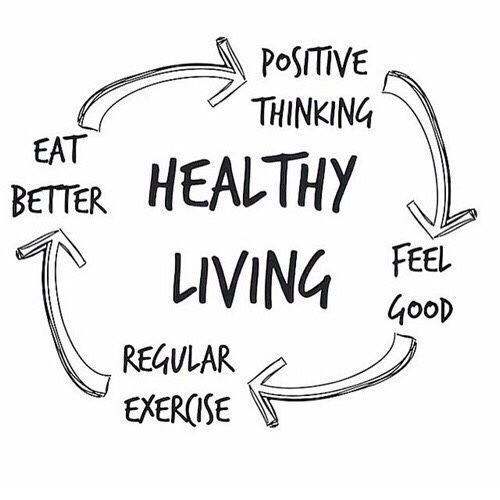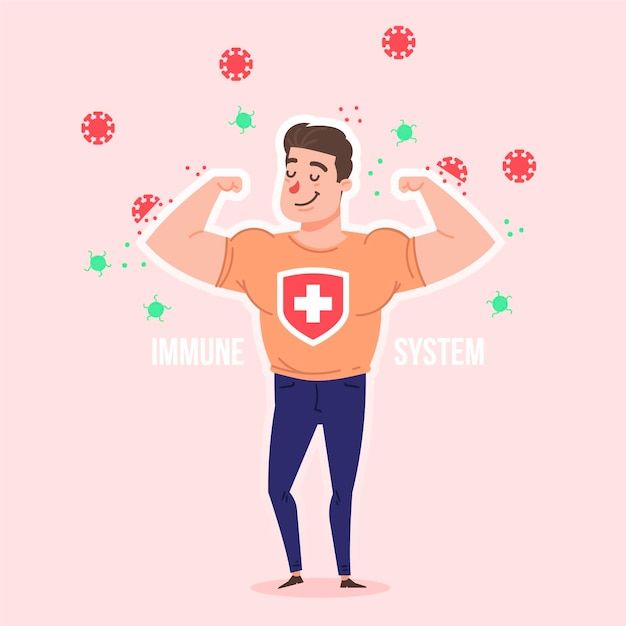
When we talk about health, most people immediately think about physical fitness, diet, or exercise. But in reality, mental health is just as important as physical health. Your emotional well-being influences how you think, feel, and behave in daily life. Unfortunately, stress, anxiety, and depression are becoming common due to modern lifestyles. The good news is that simple daily habits can help maintain strong mental health, reduce stress, and improve overall quality of life.
1. Practice Mindfulness and Meditation
One of the most effective ways to improve mental health is through mindfulness and meditation. These practices help you stay present in the moment, calm your thoughts, and reduce unnecessary stress. Just 10–15 minutes of daily meditation can boost focus, emotional balance, and relaxation. Apps and guided meditation videos can also be helpful for beginners.
2. Maintain a Balanced Diet for Mental Clarity
The food you eat doesn’t just affect your body—it affects your brain too. A diet rich in omega-3 fatty acids, whole grains, leafy greens, and fresh fruits helps improve memory, focus, and mood. On the other hand, processed foods and excessive caffeine may worsen anxiety and lead to mood swings. Eating a balanced diet keeps your mind sharp and your emotions stable.
3. Stay Physically Active
Exercise is not only for weight loss—it’s also one of the best natural remedies for stress and depression. Physical activity releases endorphins, the “happy hormones”, which instantly improve mood and reduce anxiety. Whether it’s walking, running, yoga, or dancing, 30 minutes of regular exercise can bring lasting benefits to your mental well-being.
4. Get Proper Sleep
Lack of sleep is directly linked to poor mental health. Insufficient rest increases irritability, reduces concentration, and makes it harder to handle stress. Adults should aim for 7–9 hours of uninterrupted sleep every night. Creating a relaxing bedtime routine, reducing screen time before bed, and keeping a consistent sleep schedule can improve both sleep quality and mental balance.
5. Build Strong Social Connections
Human beings are social by nature. Having supportive friends and family creates a sense of belonging and reduces feelings of loneliness. Engaging in healthy conversations, joining community groups, or simply spending quality time with loved ones can lift your mood. Positive relationships are powerful for long-term mental and emotional stability.
6. Limit Screen Time and Social Media Use
While technology connects us to the world, overuse of social media often leads to comparison, anxiety, and even depression. Set boundaries for screen time and take digital detox breaks to recharge your mind. Instead of scrolling through feeds, invest time in hobbies, outdoor activities, or face-to-face conversations that bring real happiness.
7. Manage Stress with Healthy Outlets
Stress is inevitable, but how you deal with it matters. Instead of unhealthy coping mechanisms like overeating or smoking, choose positive outlets such as journaling, listening to music, painting, or gardening. These activities not only relieve stress but also give you a sense of achievement and inner peace.
8. Seek Professional Help When Needed
There is no shame in asking for help. If you are struggling with constant stress, anxiety, or depression, speaking with a therapist, counselor, or psychologist can make a huge difference. Professional support provides practical strategies and emotional guidance that help you navigate difficult times. Early intervention prevents issues from worsening.
9. Practice Gratitude Daily
A simple but powerful mental health practice is gratitude journaling. Writing down three things you’re thankful for every day shifts your focus from problems to positivity. Gratitude has been proven to improve mood, reduce stress, and increase happiness levels. Over time, this habit creates a more optimistic outlook on life.
10. Balance Work and Personal Life
Work pressure is one of the biggest causes of mental stress today. Learning to balance professional and personal life is crucial for mental health. Avoid overworking, take regular breaks, and dedicate time to hobbies, relaxation, and family. A healthy work-life balance ensures you remain productive without burning out.
Conclusion
Mental health is the foundation of a happy and fulfilling life. By practicing mindfulness, eating well, staying active, getting enough rest, and maintaining strong relationships, you can build resilience against stress and anxiety. Remember, mental wellness is not a one-time goal but a lifelong journey. Taking small, consistent steps today can create a calmer, healthier, and more balanced tomorrow.